Client: INCA LDA
Architect: Ljiljana Čavić, Soraia Noorali
Year: 2020
Size: 300sqm
Location: Dois Portos, Torres Vedras, Portugal
Status: under construction

Site
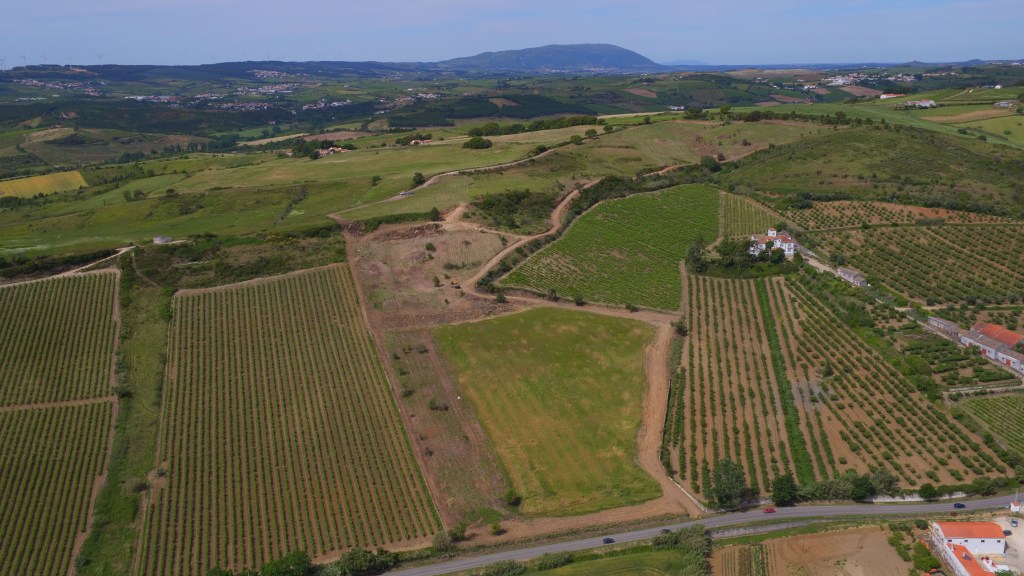
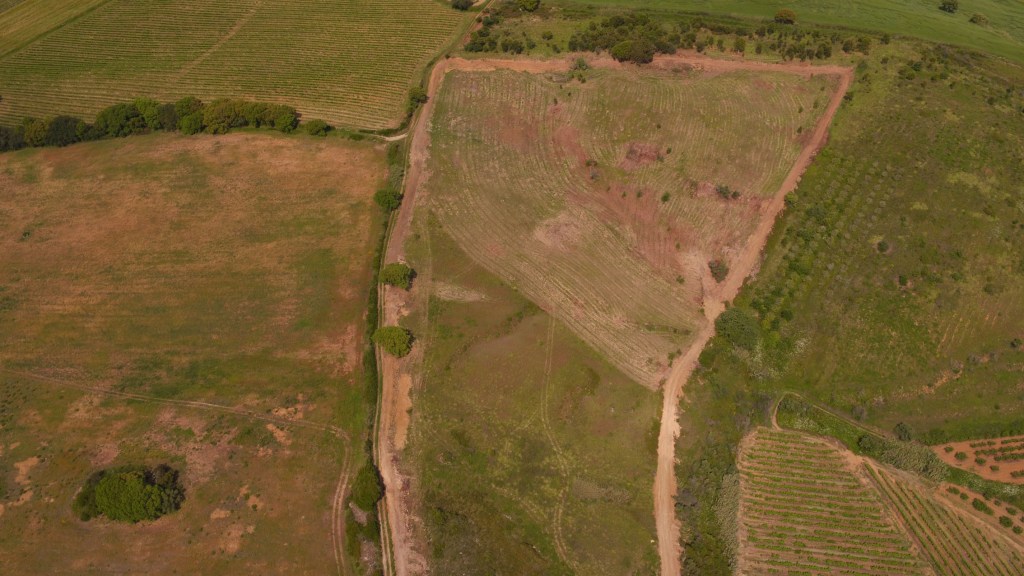
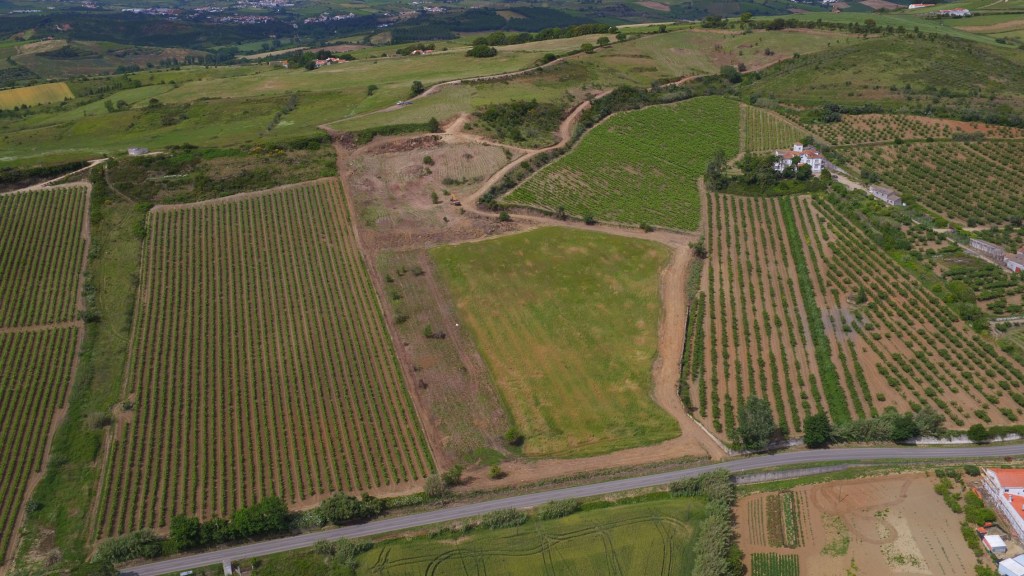
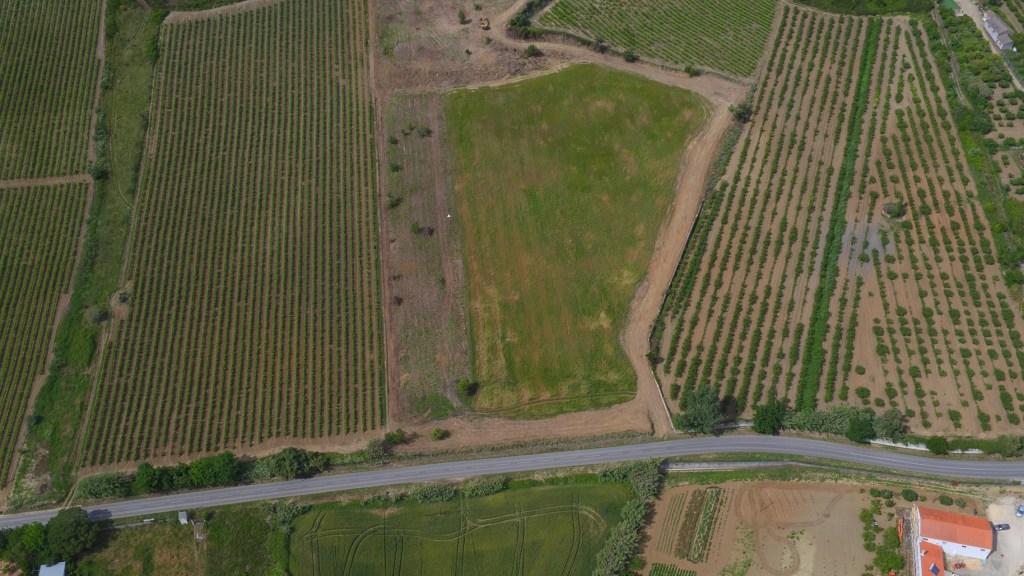
The White Pavilions project is situated in the village Dois Portos, municipality of Torres Vedras in Portugal. The property has in the area of 90,073 m2 and it is almost entirely inserted in Areas of Reserve and Protection of Soils and Plant Species and National Ecological Reserve and National Agricultural Reserve. Due to this specificity of the land, the area available for construction was limited to 1% of the total area of the site. The White Pavilions belong to a bigger agricultural complex which besides the housing part includes an agricultural shelter for cattle, sheep and equides. The client’s intention was to create a place in accordance with sustainability of the soils by planting of meadows that not only feed the animals but improve the quality of the soil through a careful selection of plants.
Integration
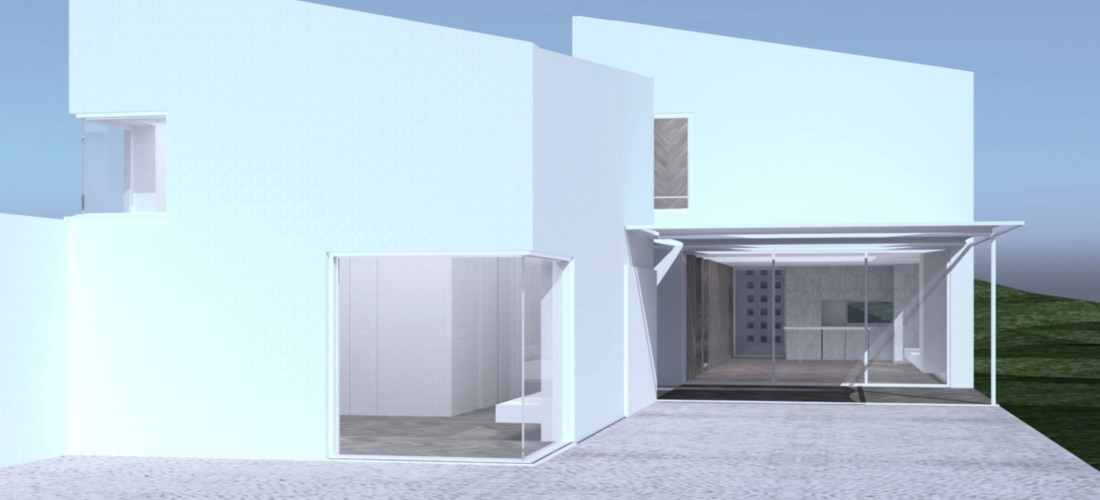
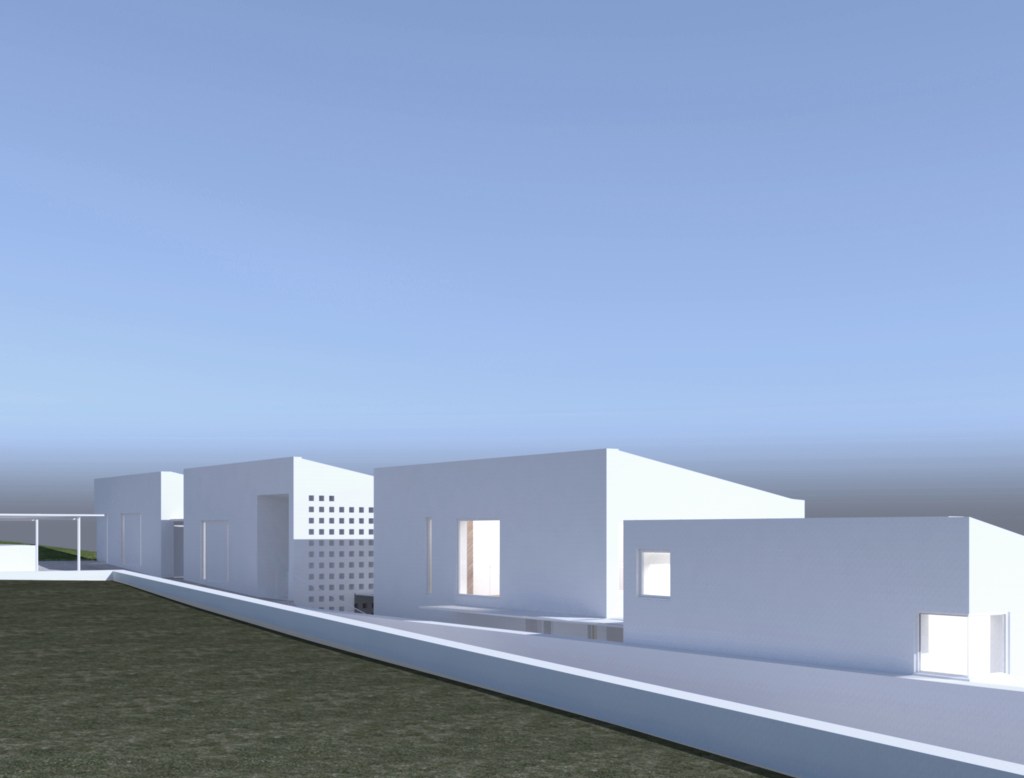
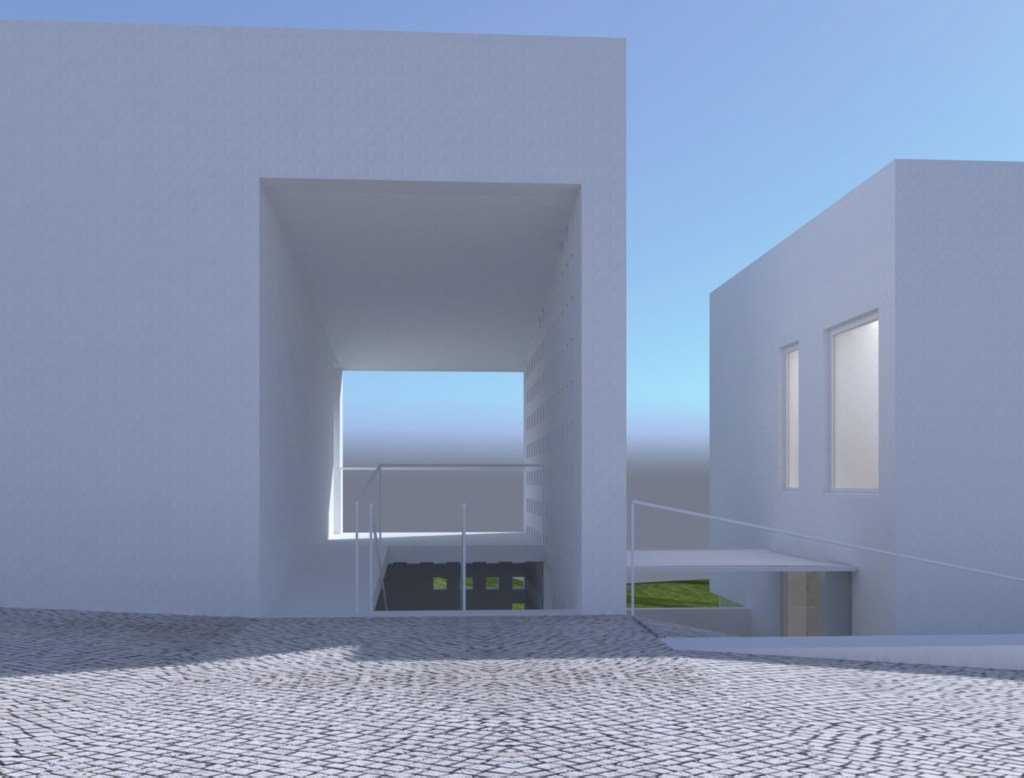
One of the main objectives of the architectural proposal was the integration with the surrounding by preservation and maintenance of the natural afforestation and the existing vegetation cover. One of the main tasks of the project was to preserve all the trees that are not in the construction area. The chosen architectural language is simple and modern and in its principles, materials and scale follows the rural houses in the region. The white blocks are positioned in a way that their full-empty interplay creates ‘frames’ for appreciation of nature and ‘canvases’ for reflection within environment. This option aimed at preserving the identity of the place with its remarkable landscape.
Implantation
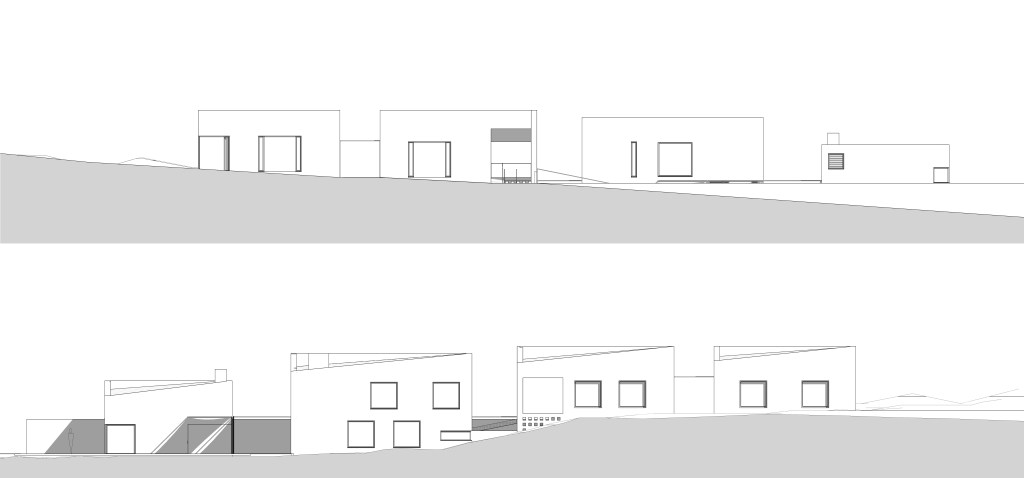
The approximate positioning of the two units, housing and agricultural, is defined by the Municipality regulations which allows construction only in the areas classified as being of low and medium risk for fire hazard. The housing area is located on the higher northeast side of the site, with the elevation of 204-207 meters, allowing for better views, easier control of the site and a better protection from possible odours from the agricultural area located on the west side of the site with elevation 183 to 186 meters.
Building
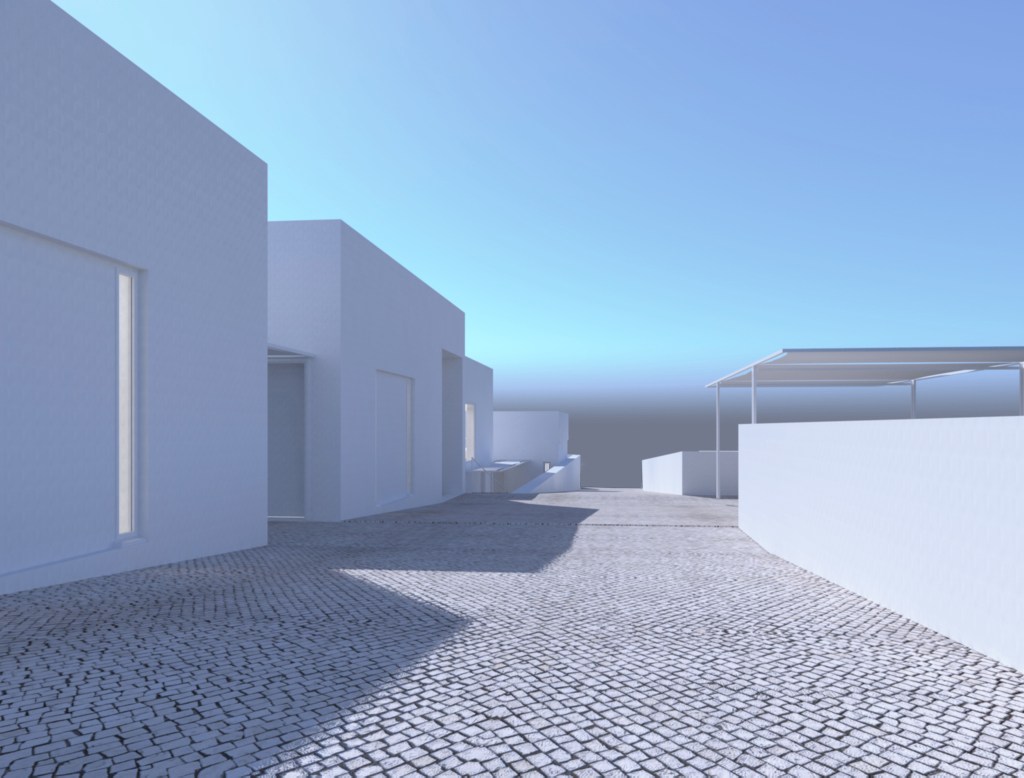
The housing building, although composed of four separate blocks, constitutes a single functional unit. The volumes are integrated into the landscape and follow the natural unevenness of the terrain, allowing the visual and functional enjoyment of the accentuated existing slope. The housing building seeks to have a simple and functional appearance, with the photovoltaic roof orientated to the south. This roof inclination permits better capturing of the solar energy but at the same time defines the identity of the architectural pieces. The facade is plastered and painted in white to facilitate the maintenance of the building. The exterior floor of the house is made of semi-permeable traditional pavement, calçada Portuguesa. The roof consists of Tesla photovoltaic tiles. The window frames are white with the colourless glass. The guards are metallic, painted in white. The shading is removable made from shade-sails over a metallic structure. The materials used in the interior are wood, exposed concrete and natural stone.

 C A D O